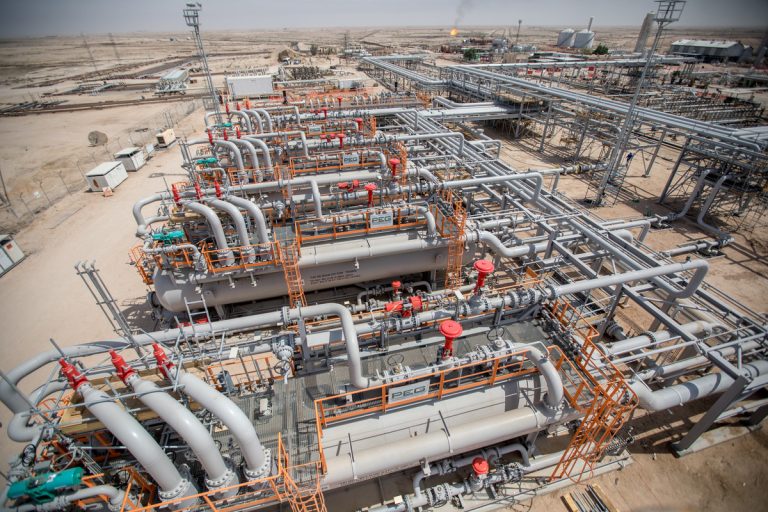
King Fahd Industrial Port, Yanbu


- This port ranks first in exports, handling approximately 51% of Saudi Arabia’s total seaborne exports.
- It is the leading port in container throughput, achieving the highest share of container traffic nationwide.
- Due to its strategic role as an inland distribution hub—particularly for the Eastern and Central regions—it plays a critical role in domestic shipping and internal trade.
King Abdulaziz Port, Dammam


- The port also leads in imports, receiving nearly 38 million tons of inbound cargo, representing around 35% of total imports handled by Saudi ports.
- It ranks first in terms of total cargo volumes (imports and exports combined), reflecting its substantial weight in national freight movement.
- The port plays a key role in handling industrial, petroleum, and petrochemical cargo.
Jeddah Islamic Port


- One of the Kingdom’s busiest ports in vessel traffic, the port received more than 3,805 ships in 2024—the highest among Saudi ports.
- It serves as a vital gateway for general trade, imports, and exports, supporting the Western region and international projects via the Red Sea.
- Thanks to its Red Sea location, it is a primary entry point for global trade and a strategic link between eastern and western Saudi Arabia.
King Fahd Industrial Port, Jubail


- The second-largest port in the Kingdom in terms of total cargo volume, following Yanbu, placing it among Saudi Arabia’s leading ports.
- It plays an essential role in supporting the domestic industrial sector—particularly heavy industries and petrochemicals—by serving the Jubail Industrial City.
Ras Al-Khair Port


- Although its volumes are lower than the four major ports mentioned above, it remains present in national statistics as a key hub for industrial and commercial cargo.
- The port holds particular importance in supporting industrial and mineral exports and serves as an alternative option for specialized cargo that may not be suitable for traditional ports.